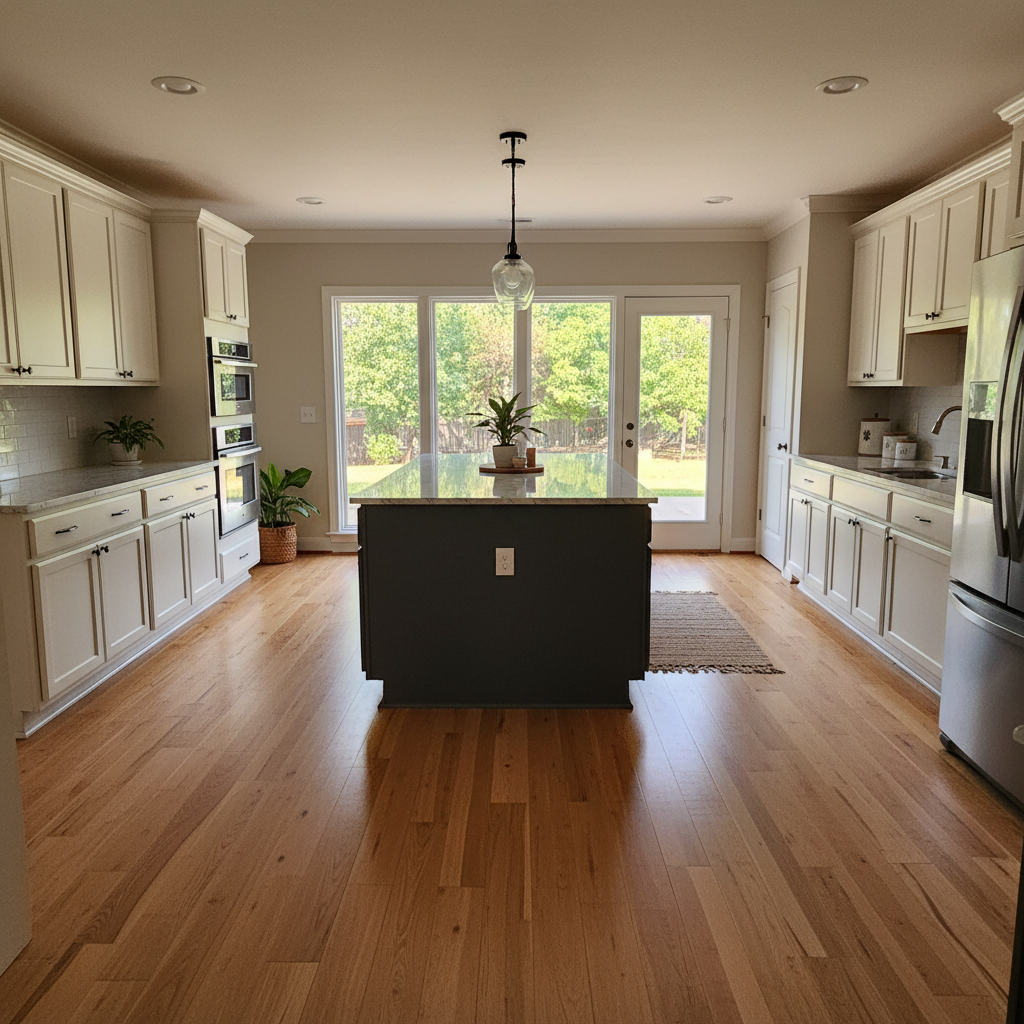
So, you're ready for new kitchen floors?
That's a big step, and a smart one. New flooring can completely transform your kitchen, making it more functional, beautiful, and even increasing your home's value. But like any home improvement project, it takes planning. You don't want to jump in blind. Here's what I tell folks in Broken Arrow when they're thinking about upgrading their kitchen floors – from what to expect to how to pick the right contractor.
The Timeline: What to Expect
Let's be real, you're not getting new floors tomorrow. A kitchen flooring project has several stages, and each takes time. Here's a rough breakdown:
- Initial Research & Planning (1-3 weeks): This is where you're doing your homework. Looking at styles, materials (tile, LVP, hardwood?), colors, and figuring out a budget. You might visit a few showrooms or browse online.
- Getting Estimates (1-2 weeks): You'll want to get at least three quotes from different contractors. Don't just go with the first one. This isn't just about price; it's about finding someone you trust and who understands your vision.
- Material Ordering & Delivery (2-6 weeks, or more): Once you've picked your material, it needs to be ordered. Some popular options might be in stock, but specialty tiles or certain hardwoods can take a while to arrive. Supply chain issues can definitely extend this, so be prepared.
- Project Scheduling (1-4 weeks): Good contractors are busy. Once your materials are in, you'll need to get on their schedule.
- Installation (2-7 days): This is the actual work. It depends heavily on the size of your kitchen, the complexity of the layout, and the type of flooring you're installing. Tile, for example, often takes longer due to setting and grouting time compared to click-lock LVP.
- Curing/Finishing (1-3 days): Some floors, especially certain types of tile or hardwood finishes, need time to cure before you can move furniture back in or walk on them freely.
All told, from your first thought to walking on your beautiful new floor, you're probably looking at 6 to 16 weeks. It's a marathon, not a sprint.
What Happens During the Project?
Knowing what's coming helps you prepare. When Alpha Kitchen Solutions handles a flooring job, here's the general flow:
- Furniture Removal: You'll need to clear out your kitchen. All appliances, tables, chairs, and anything else on the floor has to go. We can help with moving larger appliances, but smaller items are usually your responsibility.
- Old Floor Demolition: This is often the messiest part. We'll remove your old flooring. Expect dust, noise, and debris. We'll do our best to contain it, but some will escape.
- Subfloor Prep: This is critical. The subfloor needs to be clean, level, and structurally sound. If it's not, your new floor won't last. We'll fix any issues, which might include patching, leveling compounds, or even replacing sections of the subfloor. This is especially important in Broken Arrow where our clay soil can sometimes lead to foundation shifts that affect floor leveling.
- New Floor Installation: This is where the magic happens. Our team will meticulously install your chosen flooring, making sure cuts are precise and patterns are aligned.
- Finishing Touches: This includes installing new baseboards or quarter-round trim, and for tile, it means grouting and cleaning.
- Final Cleanup: We'll do a thorough cleanup of the work area, removing all project debris.
How to Prepare Your Home
A little prep on your end makes a huge difference:
- Clear the Kitchen: Like I said, everything out. Plan for a temporary kitchen setup if you'll be without a functional kitchen for a few days. A spare room or even the garage can work for a microwave and mini-fridge.
- Protect Adjacent Areas: Put down drop cloths or plastic sheeting in hallways and rooms leading to the kitchen. Dust travels.
- Secure Valuables: Move any fragile or valuable items from nearby rooms. Vibrations from demolition can cause things to fall.
- Communicate: Talk to your contractor about access, parking, and any specific concerns you have.
- Plan for Pets & Kids: This is a noisy, dusty environment. It's best if pets and young children can be out of the house during the messiest parts of the demolition and installation.
Questions to Ask Before You Sign
Don't be shy. You're investing a lot of money and trust. Here are some non-negotiables: